All Categories
Featured
Table of Contents

Retail operations in 2026 have shifted far from the easy upload-and-sell model of previous years. Success now depends upon the ability to integrate stock, prices, and fulfillment throughout dozens of independent platforms at the same time. The 2026 market demands a level of coordination that deals with every digital storefront as a single, unified node in a worldwide network. This shift has forced many services to reassess their approach to digital sales systems as they browse the complexities of international trade and regional customer expectations.
Data Management for Regional Distribution
Handling item details throughout several areas needs more than simply translation. In 2026, localized information need to represent local search patterns, seasonal variations, and particular legal requirements in locations like local provinces. A product description that works in one market may fail to gain traction in another due to subtle distinctions in how consumers explain their requirements. Companies that discover success usually invest in systems that handle these subtleties without manual oversight for every single SKU.
The technical requirements for this synchronization have actually grown. Sellers now deal with rigorous uptime requirements and data accuracy standards from significant markets. High-growth firms often prioritize structure expertise in Customer Extensions to ensure their item feeds remain precise throughout every timezone. When data inequalities take place, marketplaces in 2026 are fast to penalize and even suspend listings, making data stability a top priority for any severe operation.
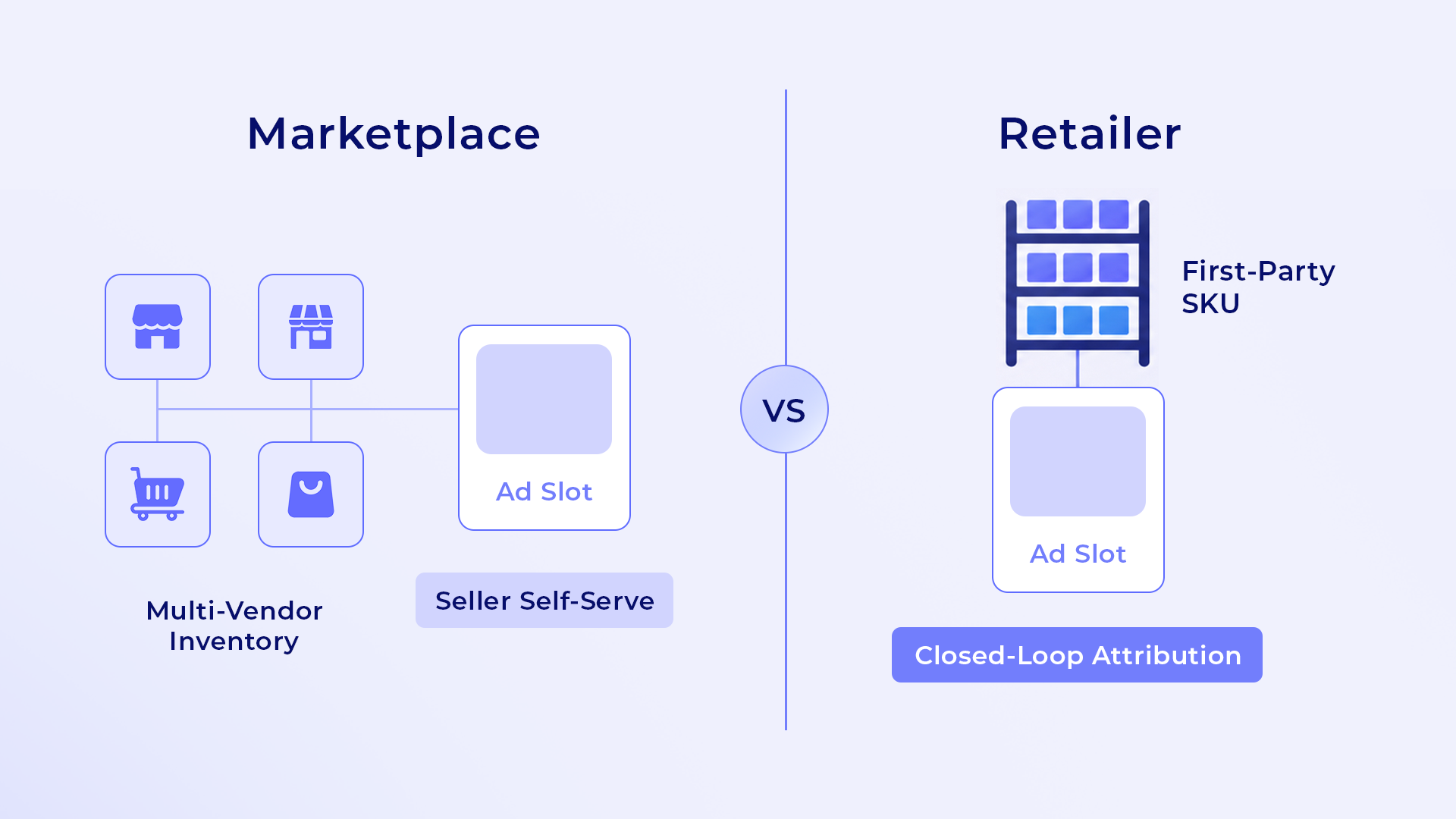
Automation plays a main function in preserving these feeds. Rather of upgrading spreadsheets, modern-day merchants utilize application programming interfaces to press real-time updates. This avoids the typical 2026 issue of overselling stock that has already been declared on a various platform. By preserving a single source of truth, companies can run in the surrounding trade area while at the same time satisfying orders from the other side of the planet.
Implementing Advanced Inventory Logic
Inventory management has moved beyond basic stock counts. In 2026, predictive analytics suggest where stock needs to be located before a client even positions an order. Shipping a product from a main warehouse to a remote buyer is frequently too sluggish and too expensive to remain competitive. Instead, stock is distributed across a network of micro-fulfillment centers located near high-density zones.
This decentralized approach assists minimize shipping times to under four hours in many urban environments. It likewise lowers the carbon footprint of each shipment, which has ended up being a main metric for market rankings in 2026. Retailers are discovering that Powerful Customer Extensions offers a clear advantage when trying to collaborate these complicated logistics. Without a centralized method to track motion across several little centers, the danger of stock fragmentation becomes too high to handle effectively.
Predictive tools also assist in handling the item lifecycle. By examining historical information and current social patterns, systems can determine when a specific item classification is slowing. This permits proactive discounting or stock relocation to a region where need remains high. In 2026, the margin for mistake is slim, and keeping dead stock can drain pipes capital that is required for faster-moving goods.
Algorithmic Prices in Competitive Zones
Static rates has mainly disappeared from major global markets. In 2026, prices vary based upon real-time demand, competitor stock levels, and even regional weather condition patterns in the destination market. If an unexpected heatwave hits a particular region, the price for cooling devices may change instantly across all platforms. This level of responsiveness ensures that sellers capture the optimum possible value while remaining competitive versus other vendors.
While these algorithms are effective, they need cautious guardrails. A race to the bottom can happen in minutes if 2 completing bots are configured to always have the most affordable cost. Smart operators set floors based upon their overall landed cost, that includes shipping, market charges, and taxes. Comprehending the demand for Cross-Border B2B for 2026 helps these organizations set more intelligent rates rules that show the real worth provided to the end user instead of simply contending on raw cost.
Tax and compliance include another layer of intricacy to the rates design. Various jurisdictions within the broader region might have varying VAT or sales tax requirements. In 2026, market tools often compute these at the point of sale, but the underlying rates method should still account for how these taxes affect the last rate the customer sees. Transparency in these expenses is essential for maintaining high seller scores and avoiding consumer conflicts after the purchase is finalized.
Optimizing Multi-Channel Presence
The rise of social commerce has actually fragmented the buyer's path. A consumer might see a product on a video platform, checked out an evaluation on a dedicated online forum, and lastly make the purchase through a conventional marketplace app. Managing this existence needs a content method that is both constant and customized to each medium. Visual properties in 2026 are frequently produced or modified by software to fit the specific visual of the platform where they are shown.
User-generated content remains a powerful tool for developing trust. Markets have actually integrated these evaluations and images more deeply into their search algorithms. Motivating buyers in local communities to share their experiences supplies the social evidence that 2026 shoppers demand. This feedback loop also provides important information for item development, enabling brand names to iterate on their offerings based upon real-world usage reports.
Mobile-first style is no longer a suggestion however a requirement. With the huge majority of international transactions in 2026 occurring on handheld devices, the checkout process need to be as brief as possible. One-click acquiring and integrated digital wallets have actually gotten rid of the friction that as soon as resulted in deserted carts. Merchants who fail to adopt these payment requirements typically see lower conversion rates, regardless of the quality of their items.
Returns and Sustainability in Modern Markets
The high volume of returns in multi-channel retail presents a significant logistical obstacle. In 2026, the expense of processing a return can often exceed the worth of the product itself. To combat this, lots of organizations are utilizing sophisticated return management tools that analyze the factor for the return and determine the most cost-effective method to handle it. Sometimes, this means directing the customer to a regional drop-off point where the product can be resold instantly instead of delivering it back to a central warehouse.
Sustainability has also end up being a core part of marketplace distribution. Lots of platforms in 2026 now highlight items that use minimal packaging or carbon-neutral shipping techniques. In regions like the local territory, customers often filter their searches particularly for these environmentally friendly alternatives. This shift has led to a focus on "right-sized" packaging and the usage of eco-friendly materials, which minimizes both environmental impact and shipping expenses.
Circular economy functions are likewise ending up being standard. Marketplaces now typically consist of integrated choices for reselling used products or recycling products at the end of their life. This keeps the client engaged with the brand name for a longer duration and lines up with the 2026 trend towards more accountable consumption. Handling these programs needs a circulation method that can manage both forward and reverse logistics with equivalent performance.
Future Preparedness for Global Trade
Looking toward completion of 2026, the speed of change reveals no signs of slowing. New marketplaces emerge each month, each with its own set of rules and audience. The ability to quickly evaluate a new channel and scale up or draw back is a specifying characteristic of successful retailers. This dexterity depends upon having a modular technical stack that can plug into new services without needing an overall overhaul of existing operations.
Cross-border trade has also become more available for smaller players. Simplified custom-mades treatments and worldwide satisfaction networks have decreased the barrier to entry for offering in far-off markets. Nevertheless, this also indicates that competition is now genuinely global. A small organization in a local town is taking on manufacturers and brands from every corner of the world. Differentiation through service quality, brand story, and shipping speed is the only way to maintain a grip in this congested environment.
The reliance on AI for decision-making will just increase as we move previous 2026. Humans are still required for high-level method and creative instructions, but the everyday execution of multi-channel retail is now a machine-driven procedure. Staying ahead suggests comprehending these tools and understanding how to guide them toward the best goals. The most effective companies in 2026 are those that balance technical efficiency with a clear understanding of what their consumers actually want.

Latest Posts
Improving Store Search Rankings for Advanced Growth
Maximizing Shop Rankings
Search Ads or Organic Reach: Which Wins?